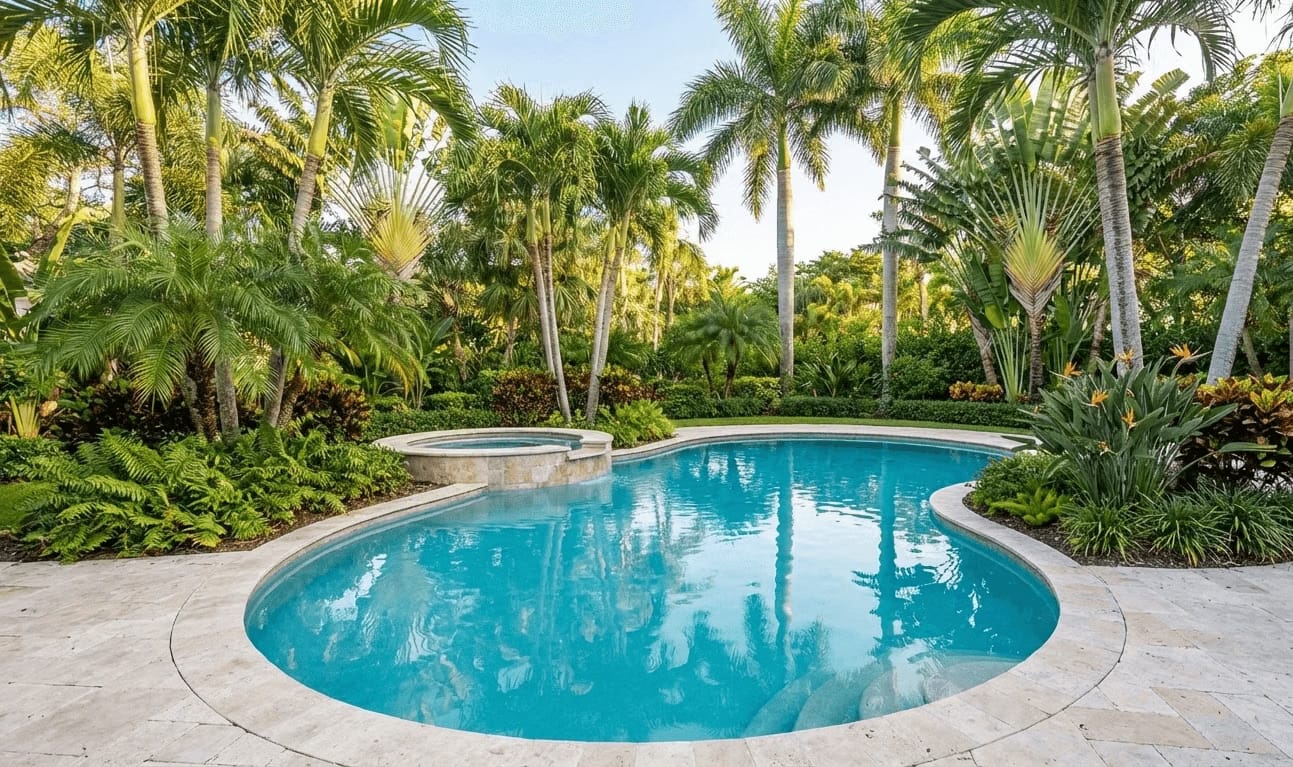
Reliable Weekly Pool Maintenance in Tampa, Florida
Your Local Experts for Pool Cleaning, Maintenance, and Repair
Maintaining a pool in Tampa requires close attention to heat, rainfall, sunlight, debris, and changing water conditions. Intense ultraviolet exposure can reduce available chlorine, afternoon storms can dilute chemicals, and warm water can create favorable conditions for algae. A maintenance routine that works during a mild, dry week may not be enough after several days of heavy rain and high temperatures.
PoolReady provides customized weekly and biweekly pool maintenance for homeowners throughout Tampa and nearby communities. We also support commercial and professionally managed pools that require consistent scheduling, detailed documentation, and dependable communication.
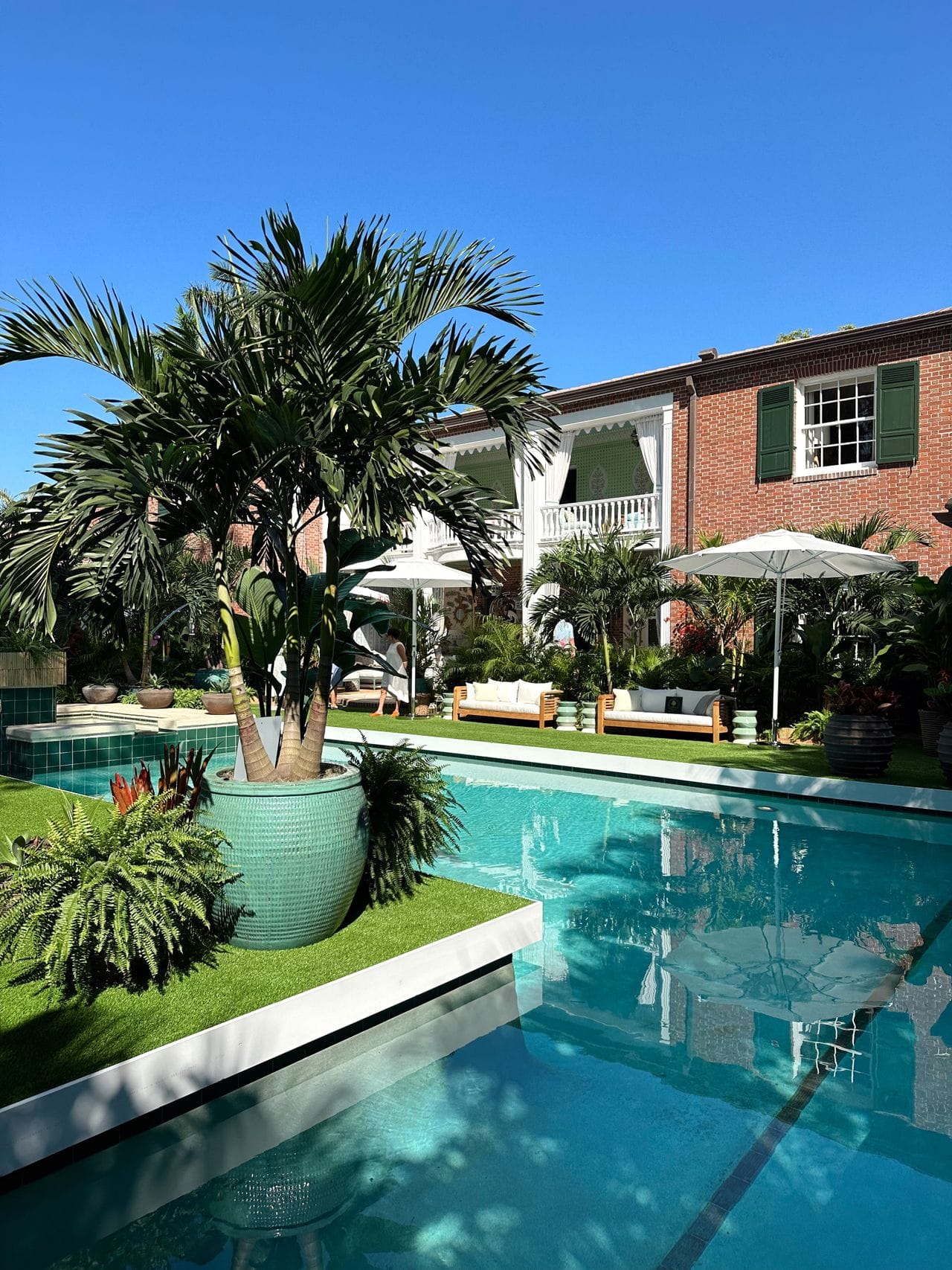
Why Tampa Pools Need Consistent Maintenance
Tampa’s climate allows homeowners to enjoy their pools throughout much of the year, although the same warm conditions create persistent maintenance challenges.
Strong sunlight can break down chlorine quickly, particularly in uncovered outdoor pools. When sanitizer levels fall, algae and other water-quality problems may begin developing before the water looks noticeably different.
Summer thunderstorms create another layer of difficulty. Heavy rain can dilute chlorine, shift pH, raise the water level, and introduce pollen, dirt, leaves, insects, and other contaminants. Several days of recurring rain may change the water faster than a homeowner expects.
Palm fronds, oak leaves, grass clippings, and seasonal pollen add organic material to pools throughout the Tampa area. As this material breaks down, it places additional demand on the pool’s sanitation and filtration systems.
Screened lanais can reduce the amount of large debris entering the water, although an enclosure does not eliminate the need for regular maintenance. Fine pollen, dust, insects, and moisture still enter screened areas. Reduced wind movement or unnoticed circulation problems may also allow algae to form in steps, corners, benches, and shaded sections of the pool.
What Weekly Pool Maintenance Includes
Depending on the selected plan and the condition of the pool, weekly maintenance may include:
- Testing applicable chemical levels
- Adjusting sanitizer, pH, alkalinity, and other water values as needed
- Brushing walls, steps, benches, corners, and tile lines
- Skimming leaves, insects, pollen, and floating debris
- Vacuuming dirt and settled material when needed
- Emptying skimmer and pump baskets
- Checking visible return flow and circulation
- Inspecting accessible equipment for noticeable concerns
- Watching for early algae development
- Looking for visible scale, staining, or corrosion
- Recording chemical readings and service observations
- Photographing the pool before or after work
- Confirming that gates are closed when service is complete
- Sending an emailed maintenance report
The exact work completed may vary according to the pool’s design, condition, equipment, weather exposure, and service agreement. A pool surrounded by mature oaks may need greater debris removal, while an uncovered pool receiving intense sunlight may require closer monitoring of sanitizer levels.
Commercial properties may also need maintenance plans that account for guest volume, operating schedules, property access, resident use, seasonal demand, and management reporting requirements.
Explore the full list of PoolReady services or learn about equipment checks and repair support.

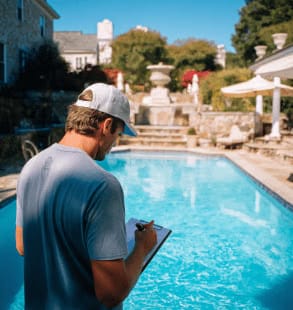
Custom Maintenance Plans for Tampa Homes
PoolReady does not use a flat-rate approach that assumes every backyard has identical conditions. A shaded pool in Carrollwood will not behave exactly like an open pool in South Tampa, a screened pool in Brandon, or a high-use family pool in Riverview.
Several property characteristics can influence the maintenance schedule:
- Pool size and water volume
- Full sun, partial shade, or heavy shade
- Screened or unscreened construction
- Oak, palm, or other tree coverage
- Saltwater or traditionally chlorinated systems
- Frequency of swimming
- Number of regular swimmers
- Exposure to wind and storm debris
- Water temperature
- Equipment age and performance
- Nearby landscaping or sandy soil
- History of algae, scaling, or cloudy water
Weekly maintenance is often appropriate for Tampa pools because conditions can change rapidly. Certain pools may qualify for a biweekly or seasonally adjusted plan when usage, exposure, equipment, and water conditions allow it.
PoolReady evaluates the property and discusses the owner’s priorities before recommending a schedule. The goal is to provide the level of attention the pool actually needs rather than adding unnecessary tasks or overlooking important conditions.
Learn more about PoolReady maintenance contracts or contact our team to discuss your pool.
Maintenance for Saltwater Pools
Saltwater pools remain common throughout Florida, although they are not maintenance-free. The salt system produces chlorine, but water chemistry, circulation, cell condition, and sanitation levels still require routine monitoring. Tampa’s heat and sunlight can increase chlorine demand, while heavy rainfall can dilute salt concentrations and change other water values, causing fluctuating conditions that may affect how efficiently the salt system operates.
Improper water balance can also contribute to scale on pool surfaces, equipment, and salt cells. When chemistry remains outside the desired range, corrosion may affect certain metal components or fixtures.
PoolReady accounts for the pool’s sanitation system when building a maintenance plan. Visits may include monitoring applicable chemical values, observing visible system alerts, checking water clarity, and documenting conditions that may need additional attention.

The PoolReady Difference
Homeowners should not have to wonder whether their pool technician arrived, what chemicals were added, or whether a developing problem was noticed.
PoolReady emphasizes accountability and transparency during every scheduled visit. Uniformed technicians and branded vehicles make it easier to identify who is entering the property, while digital reporting creates a record of the work performed.
An emailed report may include:
- Before-and-after photographs
- Recorded chemical values
- Details about adjustments made during the visit
- Notes about leaves, pollen, rain, or storm debris
- Observations concerning algae or cloudy water
- Visible equipment concerns
- Confirmation that the gate was closed
- A continuing service history
This documentation is helpful for busy homeowners who cannot be present during service. It is also valuable for landlords, second-home owners, rental managers, HOA boards, apartment managers, and commercial property teams.
Read PoolReady customer reviews or explore our project gallery.
Consistent Water Balance Through Tampa ’s Heat and Rain
Water balance can change even when the pool appears clean. Clear water does not necessarily mean the sanitizer, pH, alkalinity, calcium hardness, or salt concentration is where it should be.
Tampa’s strong sunlight can reduce chlorine levels, while elevated water temperatures may increase sanitizer demand. Heavy swimmer use introduces sweat, sunscreen, body oils, cosmetics, and other material that the sanitation system must manage.
Rain creates different problems. A major storm may dilute chemicals, alter pH, increase water volume, and carry airborne contaminants into the pool. Repeated afternoon thunderstorms can make chemical conditions difficult to stabilize without routine testing.
Saltwater pools may experience changing salt concentrations after significant rainfall or water replacement. Traditionally chlorinated pools may also need additional attention when rain and sunlight reduce available sanitizer.
PoolReady tests and adjusts applicable water values according to the maintenance plan. Regular monitoring allows imbalances to be addressed before they contribute to algae, scale, stains, corrosion, eye irritation, or persistently cloudy water.
Read our algae prevention articles or explore clear-water pool tips.
Preventing Algae in Tampa Pools
Tampa’s warmth and humidity create favorable conditions for algae, particularly when chlorine falls, circulation weakens, or brushing is neglected. Algae often begins in less visible areas. Steps, corners, ladders, benches, shaded walls, behind fixtures, and sections with weaker circulation may show growth before the main body of water turns green.
Routine brushing helps disturb early algae growth and exposes it to properly balanced sanitizer. Regular water testing identifies conditions that could allow algae to spread, while debris removal reduces the organic load consuming chlorine.
Catching a developing imbalance early is usually easier than restoring a pool after extensive algae growth. Green-to-clean treatments can help recover neglected pools, although preventive maintenance is intended to reduce how often those intensive cleanups are needed.
Learn about Tampa pool cleaning or read about common causes of recurring pool algae.



Brushing, Skimming, and Debris Control
Water chemistry alone cannot keep a pool fully maintained. Leaves, insects, pollen, dirt, sand, and other materials must be physically removed before they settle, stain surfaces, clog baskets, or begin breaking down. Tampa properties with oak trees may experience periods of heavy leaf and pollen accumulation. Palm debris, lawn material, and windblown dirt may also enter uncovered pools after storms or landscaping work.
Screened pools generally receive less large debris, but fine particles can still accumulate on the floor or along steps, and screen structures may also create shaded areas where algae can establish itself if surfaces are not brushed regularly. PoolReady adapts physical cleaning tasks to the property. Some pools need frequent skimming and basket clearing, while others require more attention along walls, steps, tile lines, and areas with limited circulation.
Equipment Oversight and Early Problem Detection
Pool maintenance and equipment performance are closely connected. Balanced water can still become cloudy when the pump is not moving enough water, a basket is clogged, or the filter is no longer operating effectively.
PoolReady technicians observe accessible equipment and visible circulation conditions during maintenance visits. These checks are not a substitute for a dedicated repair appointment, but they may help identify developing concerns before the pool experiences extended downtime.
Conditions that may be documented include:
- Weak or reduced return flow
- Unusual pump noises
- Air entering the circulation system
- Full or obstructed baskets
- Visible leaks near accessible equipment
- Unexpected filter pressure
- Cloudy water that is not improving
- Salt-system warnings
- Timers or controls that appear inconsistent
- Water-level problems
- Visible corrosion or scale
- Equipment that does not appear to be operating
Explore our equipment repair services, Tampa pool repair options, or professional pool inspections.

Residential Pool Maintenance for Tampa Homeowners
A residential pool should remain ready for swimming without requiring the homeowner to spend every weekend testing water, emptying baskets, brushing walls, and reacting to sudden weather changes.
PoolReady provides recurring maintenance for:
- Primary residences
- Screened lanai pools
- Uncovered backyard pools
- Saltwater pools
- High-use family pools
- Second homes
- Seasonal residences
- Vacation properties
- Short-term rentals
- Homes used for frequent gatherings
- Properties preparing for sale or occupancy
Weekly maintenance allows PoolReady to observe changes over time. Instead of starting from scratch during every visit, technicians can review the pool’s recent history and watch for recurring patterns involving algae, water balance, debris, or equipment performance. Homeowners also gain a consistent point of contact. When a question arises, the service history provides a useful record of previous readings, observations, and work completed.
Commercial Pool Maintenance in the Tampa Area
PoolReady also supports commercial and professionally managed pools that need dependable scheduling and clear documentation.
Commercial maintenance plans may be appropriate for:
- Apartment and condominium communities
- HOA and neighborhood pools
- Hotels and lodging properties
- Short-term rental portfolios
- Fitness centers
- Athletic facilities
- Community pools
- Schools and institutional properties
- Property management companies
- Mixed-use residential developments
Commercial pools may experience higher swimmer volume, longer operating hours, and greater demand during weekends, holidays, and warm-weather periods. Property managers need to know when maintenance occurred, what conditions were observed, and whether an issue requires follow-up.
Commercial plans are customized according to facility type, pool size, usage, access requirements, and reporting needs.
Keeping Tampa Pools Ready Throughout the Year
Tampa homeowners frequently use their pools beyond the traditional summer season. Warm afternoons, family gatherings, holidays, exercise routines, and evening swims can keep a pool active throughout much of the year.
A recurring maintenance plan helps keep the pool prepared for regular use and unexpected swim days. Homeowners do not have to perform a complete cleanup whenever guests visit or worry that the water will turn cloudy after a busy weekend.
View all PoolReady services in Tampa or schedule an appointment.
Same-Day or Next-Day Maintenance Help
PoolReady may offer same-day or next-day availability when scheduling, location, and service requirements permit. Prompt assistance may be useful:
- After heavy rain or strong winds
- Before a gathering or event
- Ahead of rental guest arrivals
- When the water begins turning cloudy
- After equipment downtime
- During unusually heavy pollen or leaf accumulation
- When early algae growth appears
- Before reopening a commercial or community pool
Availability is not guaranteed and may vary during periods of widespread storm activity or high demand. Contacting PoolReady promptly allows our team to review the situation and determine the earliest available appointment.
Tampa Areas We Serve
PoolReady provides recurring pool maintenance throughout Orlando and surrounding Central Florida communities, including:
- -
South Tampa
- -
Carrollwood - -
Westchase - -
New Tampa - -
Citrus Park - -
Temple Terrace - -
Brandon - -
Riverview - -
Town ‘n’ Country - -
Surrounding Tampa Bay neighborhoods
Properties outside these named areas may still fall within the PoolReady coverage area. Contact our team with the property address or community name to confirm availability.
Explore all PoolReady Florida locations or view every service location.
Pool Care Guidance for Tampa Property Owners
Local pool owners benefit from understanding how Tampa’s climate affects water chemistry, algae risk, debris levels, and equipment performance.
Helpful topics include:
How Summer Storms Change Pool Chemistry
Heavy rain can dilute chlorine, change pH, increase water volume, and introduce contaminants. Testing the water after major storms helps determine whether adjustments are needed.
Managing Chlorine Demand During Hot Weather
High temperatures, direct sunlight, frequent swimming, and organic debris can increase chlorine demand. Consistent testing helps prevent sanitizer levels from falling unnoticed.
Maintaining a Screened Lanai Pool
A screen enclosure reduces large debris, although it does not stop fine pollen, dust, insects, or algae. Screened pools still need regular brushing, circulation checks, debris removal, and water testing.
Preventing Scale in Florida Pools
Scale may develop when calcium, pH, alkalinity, temperature, and other water conditions remain out of balance. Saltwater systems and waterline tile may require particular attention.
Preparing for Extended Rain
Checking baskets, water level, circulation, and chemistry before and after long rainy periods can help prevent cloudy water and algae growth.
Watching for Weak Circulation
Debris that repeatedly collects in one area, cloudy sections of water, or algae that returns to the same surfaces may indicate a circulation concern.
Visit the PoolReady educational blog or review our guide to the importance of regular pool maintenance.
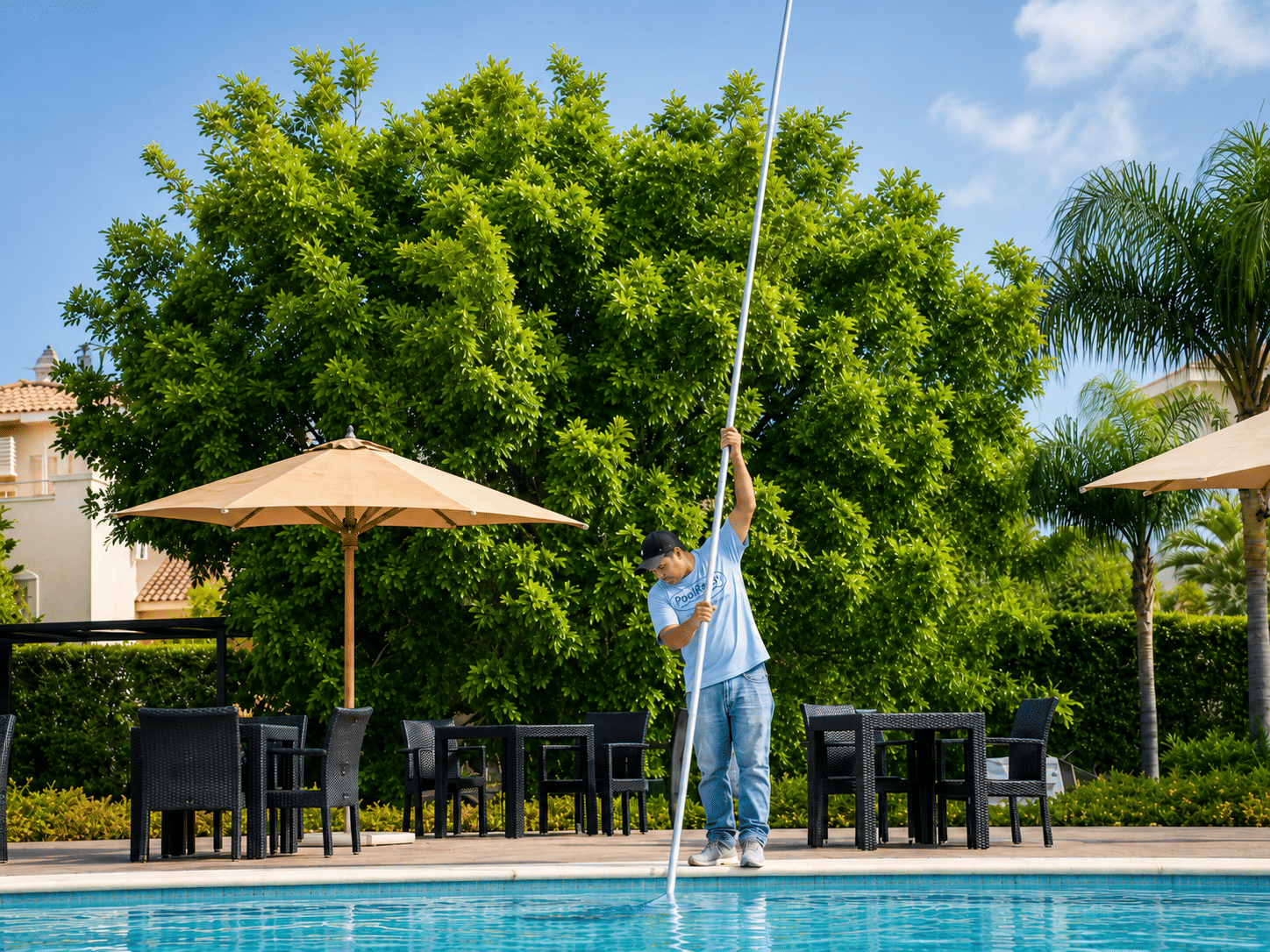
Ready for Reliable Weekly Pool Maintenance in Tampa?
PoolReady provides customized pool maintenance for Tampa homeowners, rental properties, residential communities, and commercial facilities. Our plans account for sunlight, rainfall, heat, debris, swimming frequency, screen enclosures, water systems, and equipment conditions. Reach out to PoolReady today to start experiencing why we’re number one in local pool maintenance!