

Reliable Weekly Pool Maintenance in St. Augustine, Florida

Your Local Experts for Pool Cleaning, Maintenance, and Repair

Pools in St. Augustine face a demanding combination of coastal weather, high humidity, strong sunlight, frequent storms, and year-round organic debris. Leaves from mature oaks, pine needles, palm material, pollen, windblown sand, and heavy rainfall can alter pool conditions quickly, even when the water looked clear only a few days earlier.

PoolReady provides dependable weekly and biweekly pool maintenance in St. Augustine, Florida, and throughout St. Johns County. Our maintenance plans help homeowners manage water balance, debris, algae risk, circulation, and visible equipment conditions without relying on occasional or reactive pool care.

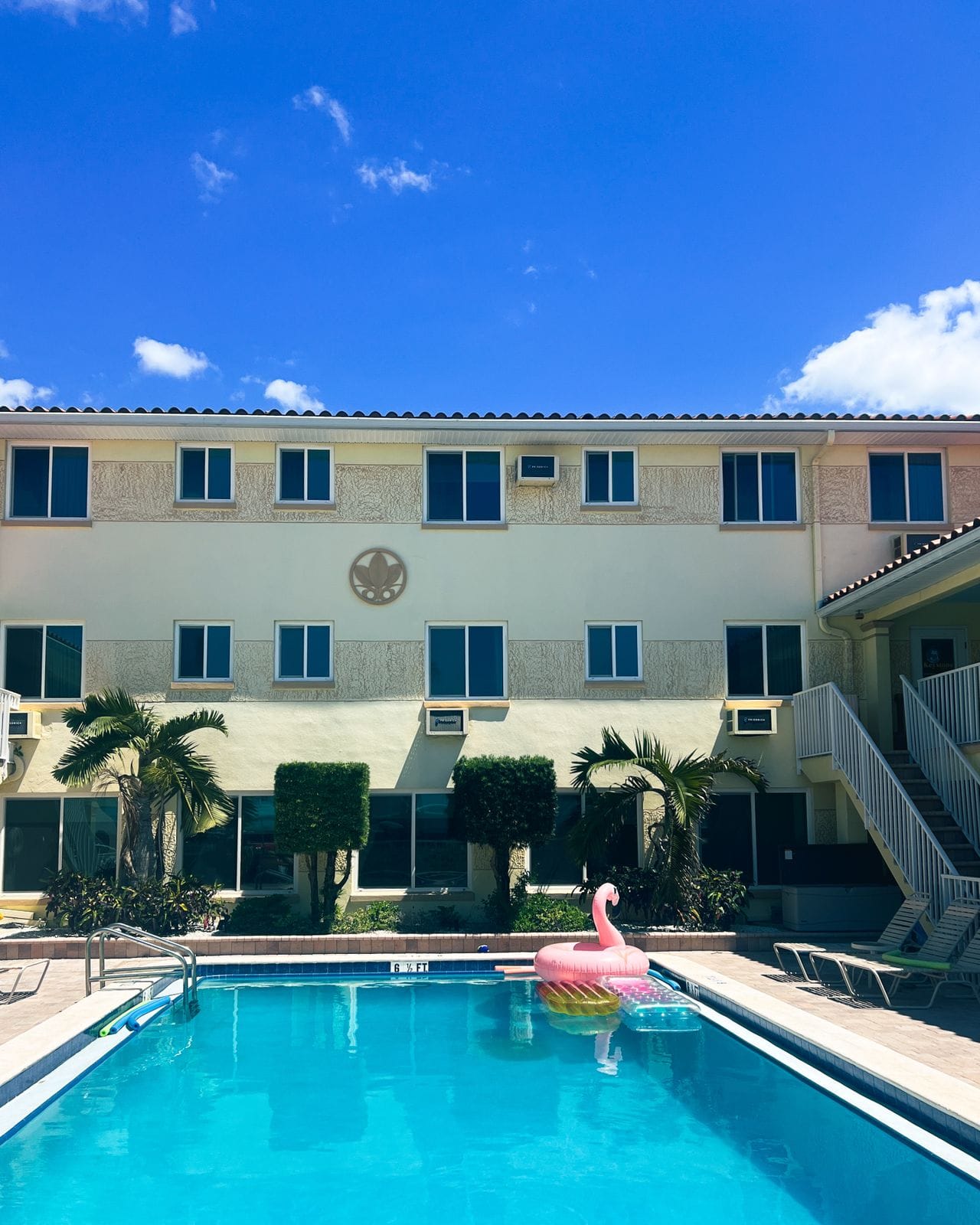
Clean blue water in an in-ground pool with a flamingo inflatable sitting on top of the water at a hotel in Florida

Why Regular Pool Maintenance Is Essential in St. Augustine

St. Augustine’s extended warm season allows homeowners to enjoy their pools for much of the year. Those same conditions also increase the amount of attention required to keep the water clear, balanced, and ready for swimming. Strong sunlight and elevated water temperatures increase chlorine demand, so when sanitizer levels are not checked consistently, algae can begin developing before the pool appears visibly green.

Storm cycles create additional challenges. Heavy rainfall may dilute sanitizer, alter pH and alkalinity, raise the water level, and introduce contaminants, and wind can carry leaves, pine needles, insects, flowers, pollen, soil, and other debris into the pool.

Coastal exposure adds another consideration. Salt-rich air, moisture, and windblown material may contribute to residue around outdoor surfaces and increase the importance of monitoring metal fixtures, equipment, and water balance for signs of corrosion.

Tree coverage varies significantly across St. Johns County. Pools surrounded by live oaks, palms, and pines often receive a steady organic load, especially during pollen, leaf-drop, and storm seasons. As this material breaks down, it consumes sanitizer and adds pressure to the filtration system.

Learn more about our residential pool services or explore St. Augustine pool cleaning.

What Weekly Pool Maintenance Includes

Depending on the selected plan and current pool conditions, weekly maintenance may include:

  • Testing applicable chemical levels
  • Adjusting sanitizer, pH, alkalinity, and other water values
  • Monitoring stabilizer and calcium conditions
  • Brushing walls, steps, benches, corners, and tile lines
  • Paying close attention to shaded or low-circulation areas
  • Skimming leaves, insects, pollen, and floating debris
  • Removing storm-related organic material
  • Vacuuming settled dirt and debris when needed
  • Emptying skimmer and pump baskets
  • Checking visible return flow and circulation
  • Observing filter pressure
  • Inspecting accessible equipment for visible concerns
  • Watching for early algae growth
  • Monitoring for scale, staining, or corrosion
  • Recording chemical readings and service notes
  • Taking photographs of the pool
  • Confirming that the property gate was closed
  • Sending an emailed service report

The work completed during each visit may change with the weather and the pool’s condition. A property beneath a dense oak canopy may require more skimming and vacuuming, while an open coastal pool may need closer attention after windy weather. Pools with frequent swimmers, vacation guests, or rental turnover may also require greater chemical and debris oversight than pools with lighter use.

Explore the full list of PoolReady services or learn about equipment diagnostics and repair support.

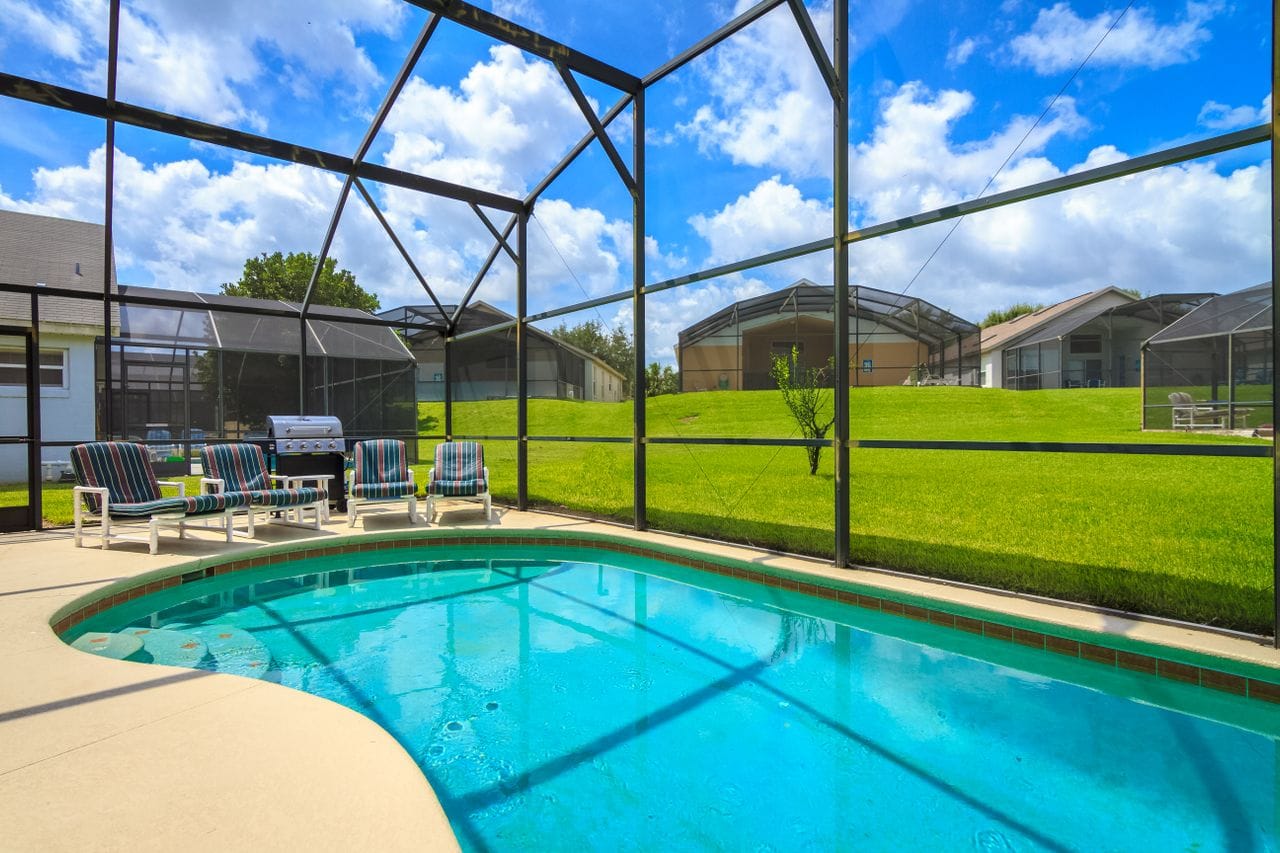
blue water in-ground pool surrounded by an enclosure in St. Augustine, FL
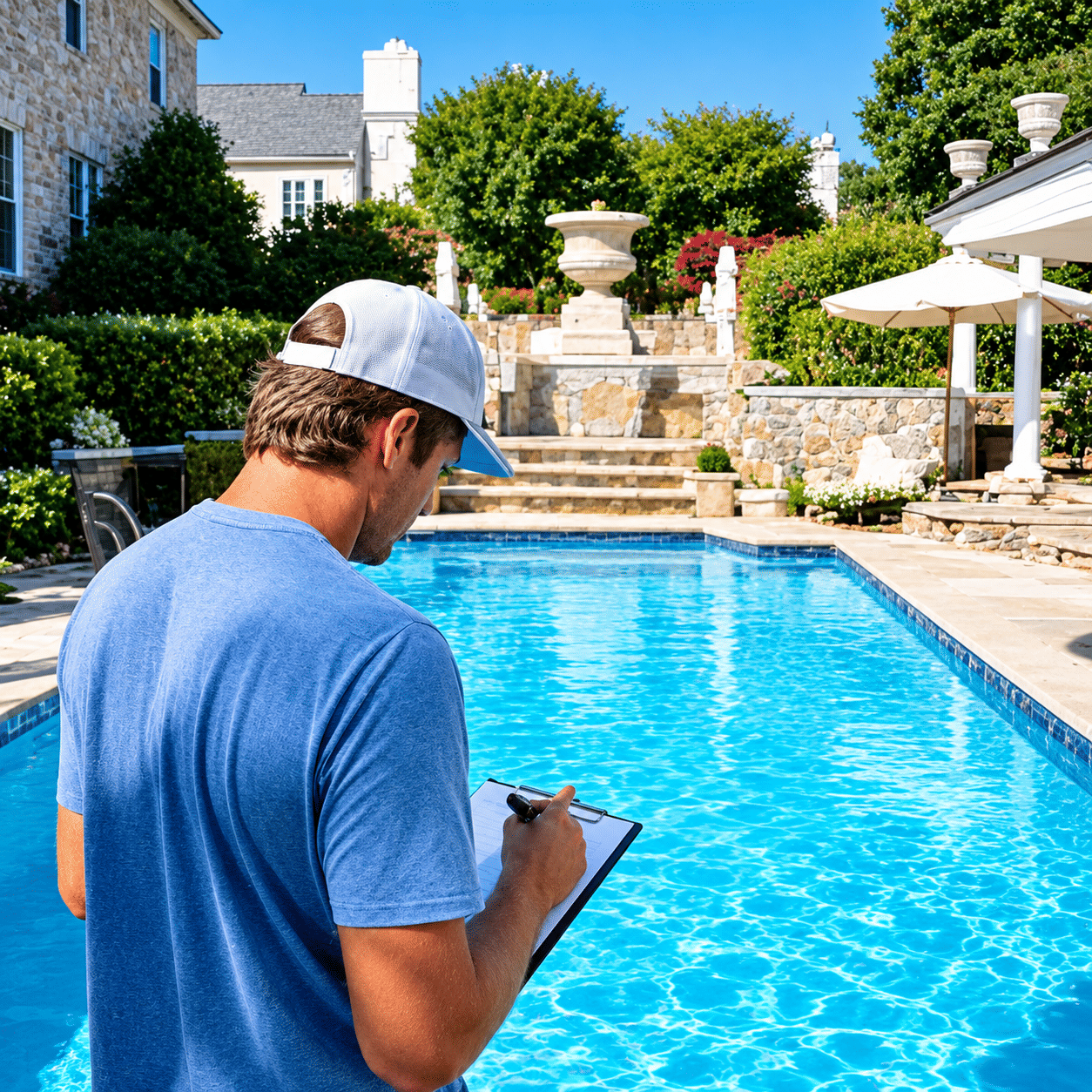
pool expert writing on clipboard near client\'s pool

Custom Maintenance Plans for St. Augustine Pools

PoolReady does not rely on cookie-cutter maintenance checklists or flat pricing that assumes every pool requires the same amount of work.

Several factors may influence a pool maintenance plan:

  • Pool size and water volume
  • Sunlight and shade exposure
  • Screened or uncovered construction
  • Tree and landscaping coverage
  • Distance from coastal areas
  • Saltwater or traditional chlorination
  • Pool surface and finish
  • Equipment type and age
  • Frequency of swimming
  • Number of regular swimmers
  • Rental or second-home occupancy
  • Previous algae, scale, or staining concerns
  • Exposure to storms and windblown debris
  • Homeowner goals and service expectations

A pool exposed to direct sunlight may require closer sanitizer monitoring. A shaded pool beneath mature trees may need more brushing, basket clearing, and organic debris removal.

Screen-enclosed pools often need targeted attention along steps, benches, corners, and areas where water movement is limited. Coastal pools may require closer observation for salt residue, corrosion, and windblown sand. Weekly service is appropriate for many St. Augustine pools because water and debris conditions can change quickly, while biweekly maintenance may be available when the pool’s usage, equipment, exposure, and water stability support a less frequent schedule.

Learn more about PoolReady maintenance contracts or request a customized quote.

Saltwater Pool Maintenance in Coastal North Florida

Saltwater pools are common throughout St. Augustine and St. Johns County, particularly in newer residential communities and coastal properties. These systems still need routine cleaning, testing, balancing, and equipment monitoring.

Extended heat may increase chlorine demand, while significant rainfall can dilute salt concentrations and alter other chemical levels. When the system cannot produce enough sanitizer to match demand, algae may begin developing.

PoolReady tailors maintenance to the sanitation system. Visits may include checking applicable chemical readings, monitoring visible salt-system alerts, observing water clarity, and documenting concerns that deserve additional evaluation.

Consistent maintenance helps owners avoid assuming that a saltwater pool is balanced simply  the generator appears to be operating.

blue water in pool moving against stone wall

Professional Accountability on Every Visit

Every scheduled visit is documented. An emailed report may include:

  • Pool photographs
  • Chemical readings
  • Details about adjustments made
  • Notes about rainfall, pollen, leaves, or storm debris
  • Water clarity observations
  • Early algae warnings
  • Visible equipment concerns
  • Filter or circulation observations
  • Closed-gate confirmation
  • A continuing record of previous visits

Read PoolReady customer reviews or view our pool maintenance gallery.

Water Balance Challenges in St. Augustine

A pool can appear clear while important chemical values are moving outside their recommended ranges. Routine testing helps identify those changes before they create visible algae, staining, scaling, corrosion, or swimmer discomfort.

Strong sunlight reduces available chlorine, Additionally, warm water and frequent swimming may increase sanitizer demand at the same time, making regular chemical monitoring particularly important during the extended swim season. PoolReady tests applicable water values and adjusts treatment according to current readings, the pool system, and the selected maintenance plan.

Browse PoolReady pool care guides for more information about water balance and preventive maintenance.

white and brown flower floating on top of

Seasonal Pollen and Organic Debris

St. Johns County’s trees and landscaping contribute significant organic material throughout the year. Oak pollen, pine needles, palm debris, flowers, seed pods, insects, and leaves may enter both open and screen-enclosed pools. Accordingly, pollen can be particularly difficult because it may float across the surface, collect along tile lines, settle on steps, and clog filters. Fine particles may also make the water appear dull or cloudy.

PoolReady adjusts skimming, vacuuming, brushing, and basket clearing according to seasonal conditions. Properties beneath mature tree canopies may require more physical cleaning than open lots with limited landscaping.

Preventing Algae in Coastal North Florida

Algae often begins in areas that receive less attention or weaker circulation, including:

  • Pool steps
  • Corners
  • Benches and ledges
  • Behind ladders
  • Around fittings
  • Shaded walls
  • Tile lines
  • Screen enclosure edges
  • Areas where debris repeatedly settles

PoolReady technicians watch for early warning signs, including slippery surfaces, discolored patches, reduced clarity, unusual chlorine demand, and recurring growth in the same location.

Explore St. Augustine pool cleaning or read about why pools turn green.

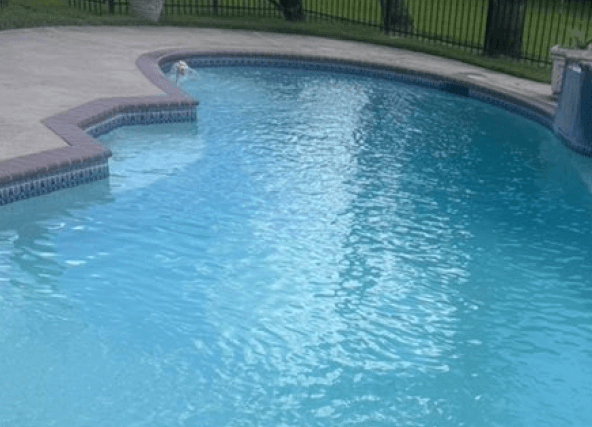
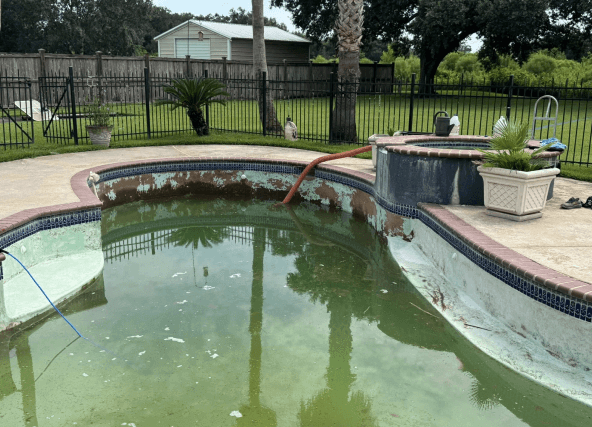
Before After
blue water in pool inside pool enclosure of residneital backyard in St. Augustine

Maintenance for Screen-Enclosed Pools

Screen enclosures are common throughout St. Augustine and surrounding communities. They can reduce insects, branches, and large leaves, but they do not make a pool maintenance-free. However, pollen, dust, soil, small insects, and fine landscaping debris can still pass through the enclosure. Rain may also enter through the screen and alter water chemistry.

The design of the enclosure may create shaded sections or areas where air and water movement are limited. Steps, corners, benches, and sections near enclosure walls can become more vulnerable to algae when they are not brushed consistently.

PoolReady pays attention to these low-circulation areas during scheduled maintenance. Brushing helps move fine debris into circulation and prevents buildup on surfaces that may otherwise be overlooked. Our technicians also observe return flow and recurring debris patterns. When material continuously collects in one area, the condition may suggest a circulation issue that deserves further attention.
Storm Preparation and Post-Storm Care

Coastal North Florida storms can change pool conditions within a short period. Wind may fill the water with leaves, pine needles, branches, palm material, dirt, and insects, while rainfall dilutes chemicals and raises the water level.

PoolReady maintenance may include additional skimming, vacuuming, basket clearing, brushing, and chemical testing following severe weather. Technicians can also document visible circulation or equipment concerns discovered during the visit.

Contacting PoolReady promptly after a major storm provides the best opportunity to arrange faster assistance.

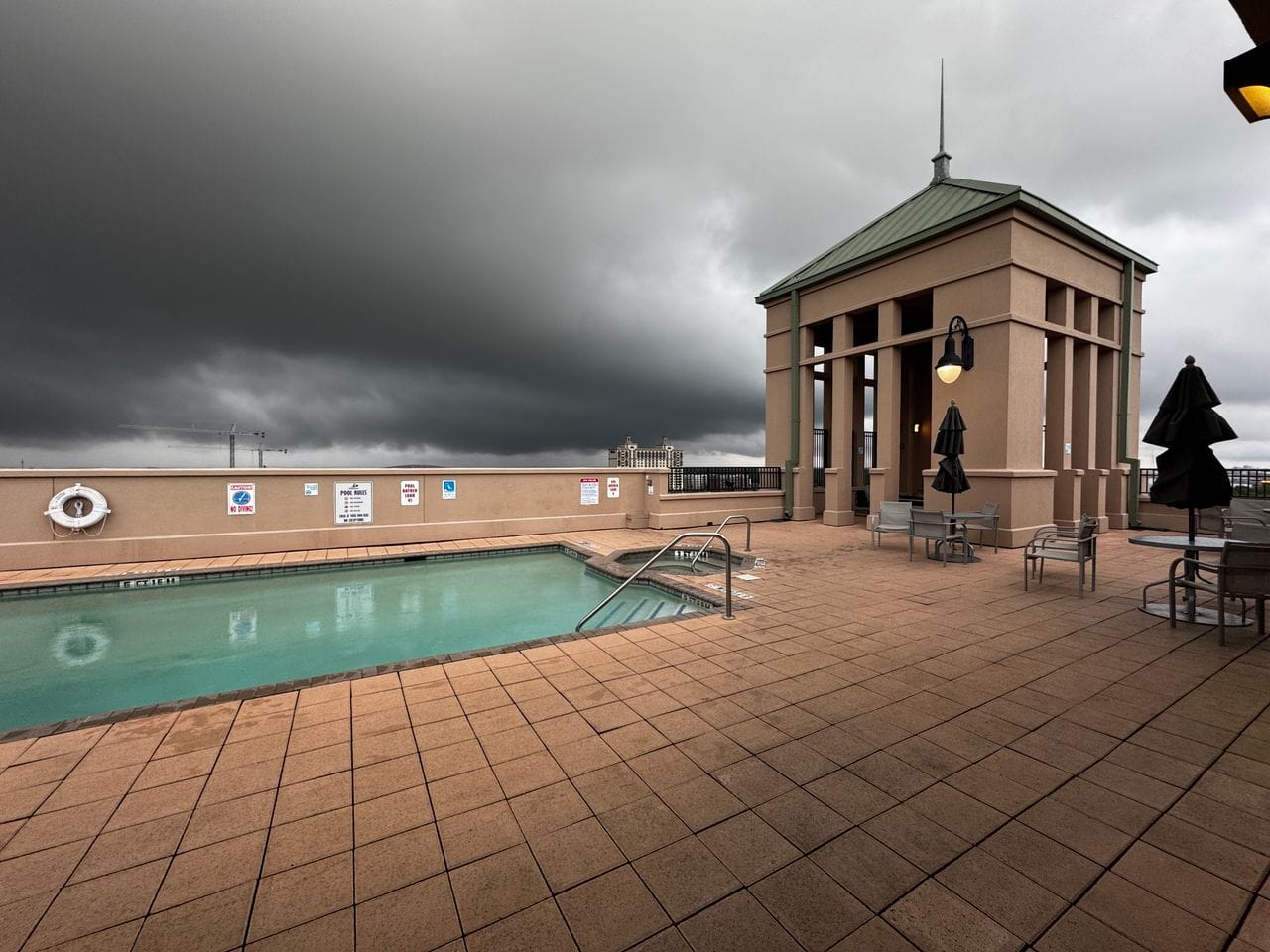
Still water in an inground pool at a hotel as dark storm clouds roll in
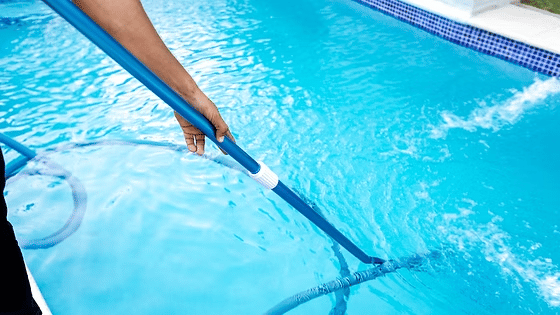
Blue net moving through he water of inground pool as pool expert completes job

Equipment Oversight and Performance Monitoring

Pool maintenance and equipment performance are closely connected. Even properly treated water may become cloudy when the pump is not circulating effectively, the filter is obstructed, or baskets are overloaded.

Conditions that may be documented include:

  • Weak return flow
  • Reduced circulation
  • Unexpected filter pressure
  • Unusual pump sounds
  • Air entering the system
  • Clogged skimmer or pump baskets
  • Visible leaks near accessible equipment
  • Repeatedly low water levels
  • Salt-system warnings
  • Cloudy water that does not improve
  • Timers or controls behaving inconsistently
  • Visible corrosion or scale
  • Equipment that does not appear to start or stop normally

Explore PoolReady equipment repair, St. Augustine pool repair, or professional pool inspections.

Residential Pool Cleaning for St. Johns County Homeowners

PoolReady provides recurring residential maintenance for a wide range of St. Augustine and St. Johns County properties, including:

  • Primary residences
  • Screen-enclosed pools
  • Open-air backyard pools
  • Saltwater pools
  • Coastal homes
  • Heavily wooded properties
  • High-use family pools
  • Second homes
  • Seasonal residences
  • Vacation properties
  • Short-term rentals
  • Homes used for frequent entertaining

Homeowners receive a documented account of each appointment, which is particularly useful when they are away from the property.

Commercial and Community Pool Maintenance

Commercial maintenance plans may be suitable for:

  • Apartment and condominium communities
  • HOA and neighborhood pools
  • Hotels and lodging properties
  • Vacation rental portfolios
  • Fitness and athletic facilities
  • Community pools
  • Schools and institutional properties
  • Property management companies
  • Mixed-use residential developments

Pool Maintenance for Rentals and Second Homes

St. Augustine’s coastal location and tourism market make dependable oversight especially important for vacation rentals and second homes. A pool may experience heavy guest use one week and limited use the next. Additionally, sunscreen, cosmetics, body oils, food residue, sand, and other material can place additional demand on the water and filtration system.

PoolReady’s emailed reports provide photographs, chemical readings, notes, and service confirmation without requiring the owner or manager to be present. When technicians observe algae, cloudy water, debris, or visible equipment concerns, those findings can be communicated promptly. Our consistent maintenance helps keep the pool ready for arriving guests while giving off-site owners a clearer understanding of the property’s condition.

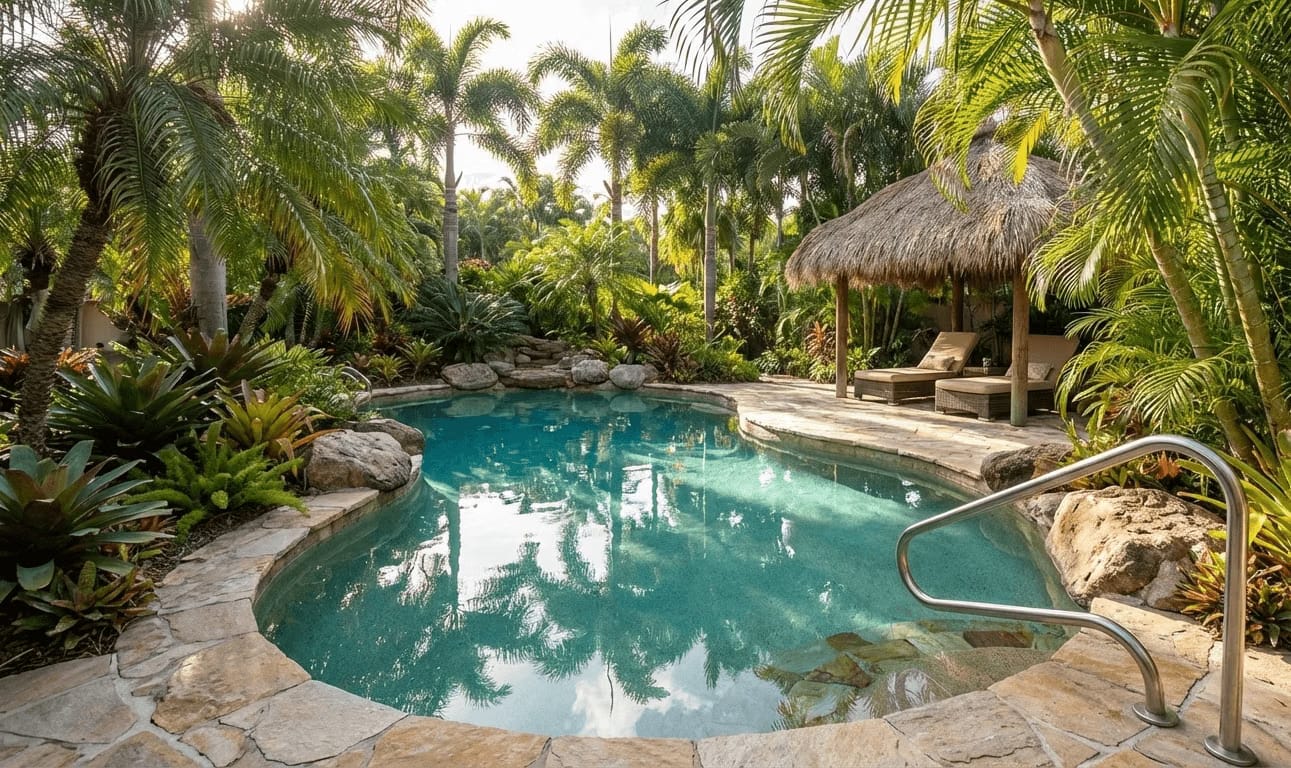
blue water in pool surrounded by tropical trees and a spanish tile gazebo
white and blue safety ropes floating atop Olympic pool

Keeping St. Augustine Pools Ready for a Long Swim Season

Swimming in St. Augustine commonly extends from early spring through late fall, with some homeowners using heated or sun-exposed pools during warmer winter periods. Frequent use introduces sunscreen, lotions, body oils, cosmetics, and organic material into the water. Parties, holidays, and weekend gatherings may create a noticeable increase in chlorine demand and filter workload.

Regular maintenance keeps the pool prepared for planned events and unexpected swim days. Homeowners do not have to begin every weekend by testing chemicals, clearing baskets, brushing walls, and removing debris. Maintenance recommendations may change as weather and usage shift. Spring pollen, summer heat, tropical storms, autumn leaves, and cooler periods each create different demands. PoolReady adjusts treatment and cleaning tasks according to the conditions observed during each visit.

View the St. Augustine PoolReady service hub or schedule recurring maintenance.

Areas PoolReady Serves Across St. Johns County

PoolReady provides recurring pool maintenance in St. Augustine and communities throughout St. Johns County, including:

  • -

    Historic St. Augustine and surrounding neighborhoods

  • -
    Anastasia Island
  • -
    St. Augustine South
  • -
    World Golf Village
  • -
    Palencia
  • -
    Nocatee
  • -
    Julington Creek
  • -
    Durbin Crossing
  • -
    Rivertown
  • -
    SilverLeaf
  • -

    Fruit Cove

  • -

    Communities along the County Road 210 corridor

  • -

    Coastal St. Johns County communities

  • -

    Surrounding residential neighborhoods

Explore all PoolReady Florida locations or view every PoolReady service area.

Pool Care Guidance for St. Augustine Property Owners

Understanding local pool conditions helps homeowners recognize why water balance, debris levels, and algae pressure can change so quickly.

How Does Coastal Weather Affect Pool Chemistry?

Coastal storms may dilute sanitizer, shift pH, alter alkalinity, and introduce debris. Salt-rich air and moisture may also increase the importance of monitoring metal fixtures and accessible equipment for corrosion.

How Can Owners Manage Chlorine Demand During Hot Weather?

Strong sunlight, warm water, frequent swimming, and organic debris can all increase chlorine demand. Regular testing provides a more accurate picture than relying on how clear the water looks.

Why Do Shaded Pools Need Extra Brushing?

Shade can help limit direct UV exposure, but it may also create cooler, low-flow areas where algae begins forming. Walls, steps, benches, and corners beneath tree cover require consistent attention.

Are Screen-Enclosed Pools Easier to Maintain?

Screens reduce large debris, although pollen, dust, insects, rain, and fine organic material still enter. Enclosed pools continue to need brushing, chemical testing, circulation monitoring, and basket clearing.

What Should Homeowners Do Before a Storm?

Removing loose items from the pool area, checking baskets, confirming proper water circulation, and reviewing the water level can reduce post-storm complications. Pool chemicals should never be mixed or added without following appropriate product instructions.

Why Does Pollen Affect Water Clarity?

Pollen may float, settle, clog filters, and increase the organic demand placed on sanitizer. Regular skimming and filtration help remove it before it contributes to cloudy conditions.

Browse PoolReady educational content for more pool care guidance.

pool expert cleaning pool with net in St. Augustine, TX

Ready for Reliable Weekly Pool Maintenance in St. Augustine?

PoolReady provides customized weekly and biweekly pool maintenance for homeowners, second-home owners, rental managers, residential communities, and commercial properties throughout St. Augustine and St. Johns County.

Every plan reflects the individual pool’s sunlight, shade, tree coverage, coastal exposure, enclosure, water system, swimmer use, equipment, and service goals. Reach out to PoolReady now to get your pool perfectly pristine!