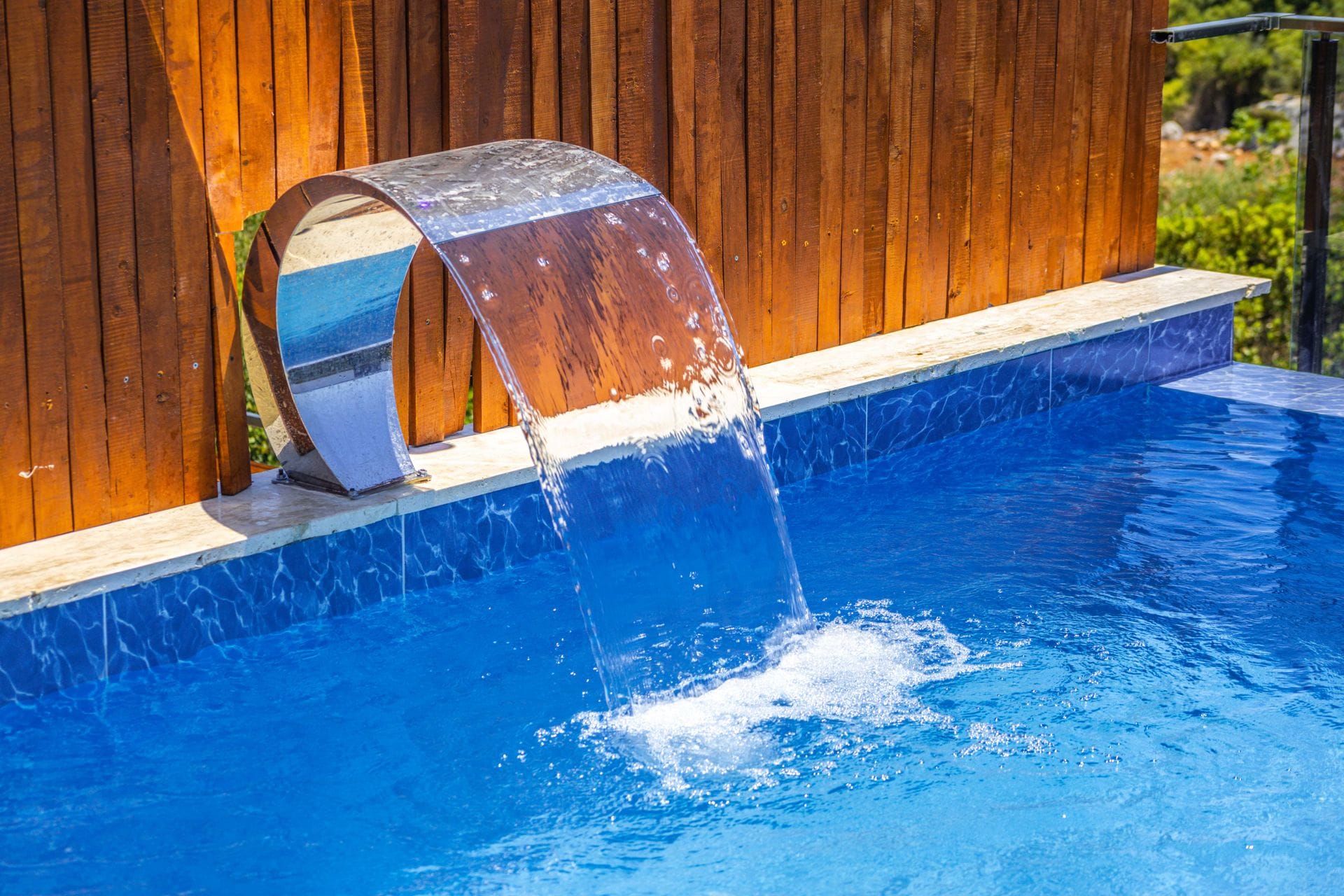
PoolReady helps homeowners understand pool circulation because flow is one of those hidden parts of pool care that affects almost everything else. Cloudy water, algae growth, debris buildup, chemical imbalance, and frustrating “problem areas” often come back to how water moves, where it slows down, and whether the return jets are helping or fighting the system.
Why Pool Circulation Matters More Than Most People Realize
Good pool circulation does more than move water around for the sake of movement. It helps distribute chlorine or other sanitizer, spreads heat more evenly, pushes floating debris toward the skimmer, reduces stagnant areas, and gives your filter a better chance to remove dirt before it becomes a bigger water-quality issue.
Poor circulation can make a clean pool behave like a neglected one, which is why homeowners sometimes keep adding chemicals without getting lasting results. If sanitizer never reaches certain corners, steps, benches, or shaded areas at the right strength, those places can become early algae zones while the rest of the pool still tests reasonably well.
How Pool Water Moves Through the System
Most residential pools follow the same basic circulation path, although the details change based on pool shape, equipment, plumbing, and features. Water is pulled from the pool through skimmers, main drains, or suction lines, then it travels to the pump, passes through the filter, and returns to the pool through return jets.
That cycle sounds simple, yet small details matter because water naturally takes the easiest path. If return jets are aimed poorly, suction is uneven, the filter is dirty, the pump schedule is too short, or the pool shape creates hard-to-reach pockets, the system may move plenty of water while still leaving certain areas under-circulated.
What Are Return Jets Supposed to Do?
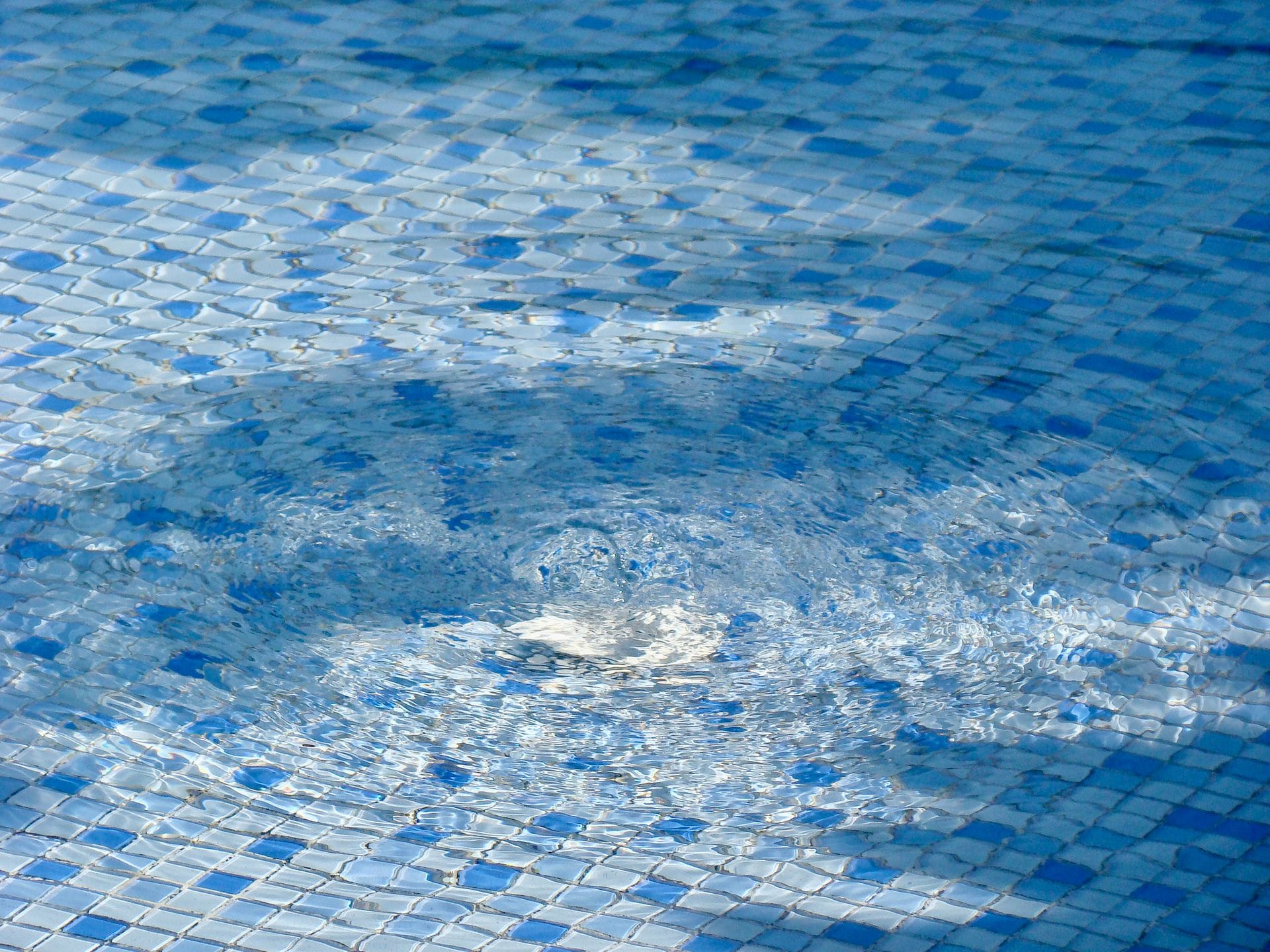
Return jets send filtered water back into the pool, and their direction has a major effect on the way water circulates. Although many homeowners think of returns as simple outlets, they are more like steering points that influence surface movement, debris travel, chemical distribution, and deeper water exchange.
In many pools, return jets work best when they create a gentle circular pattern around the pool, which helps floating debris drift toward the skimmer instead of sitting in corners. The goal is not to blast water in random directions, but to create steady movement that supports filtration without turning the pool into a choppy, inefficient mess.
Return Angles Can Change the Whole Pool
The angle of each return jet affects whether water moves across the surface, down into deeper areas, or straight into a nearby wall where its energy quickly dies. A small adjustment can change how leaves travel, how quickly chemicals mix, and whether dead spots form near steps, ladders, tanning ledges, or corners.
As a general starting point, many pools benefit from return jets angled slightly downward and to one side, which can support both circular surface flow and deeper mixing. The exact angle depends on the pool, though, because a long rectangular pool, a kidney-shaped pool, and a pool with a large shallow shelf may all need different return positions to move water well.
Should Return Jets Point Up, Down, or Sideways?
Pointing return jets upward can create visible surface movement, which may look like good circulation, but too much upward flow can reduce deeper mixing and increase aeration. In some cases, that extra aeration can also affect pH stability, especially when the water is constantly bubbling or rippling near the surface.
Pointing returns slightly downward can help move treated water into lower areas where circulation is often weaker. A sideways angle can help establish a circular pattern, so the best setup is often a combination of downward and sideways direction rather than a hard angle straight up, straight down, or straight across.
Dead Spots Are Where Pool Problems Start
A dead spot is an area where water moves slowly or barely moves at all. These places often collect dirt, pollen, leaves, algae spores, and organic debris because the circulation system is not doing enough to push that material toward the skimmer or drain.
Common dead spots include behind ladders, around steps, inside corners, near benches, along tanning ledges, under raised walls, around attached spas, and in areas shielded from the main return pattern. Even when the rest of the pool looks clear, these low-flow zones can quietly become the first places where algae, staining, or cloudy buildup appears.
How Can You Tell If Your Pool Has Dead Spots?
One of the easiest signs of a dead spot is debris that keeps settling in the same place after cleaning. If leaves, dirt, sand, or pollen repeatedly collect in one corner or along one wall, the water in that area probably is not moving strongly enough to carry debris toward the skimmer.
Algae can also reveal circulation problems because it often appears first where flow is weakest. Green patches near steps, slimy spots around corners, recurring cloudiness in the deep end, or persistent dust on a tanning ledge may point to a flow issue rather than a simple chemical shortage.
Flow Is About Direction, Not Just Pump Power
A bigger pump or longer run time does not automatically fix poor circulation because flow direction matters as much as flow volume. If water is being pushed into a pattern that skips certain areas, extra pump time may only move the same water through the same path more often.
The goal is to make the entire body of water participate in the circulation cycle. PoolReady looks at circulation as a complete system, which means pump performance, filter condition, return angles, skimmer action, pool shape, and cleaning habits all matter when deciding why water is not moving the way it should.
Skimmers Need Help From Surface Movement
Skimmers remove floating debris, but they cannot do their job well unless surface movement carries debris toward them. When return jets push debris away from the skimmer, create competing currents, or leave the surface too still, leaves and bugs may float around for hours instead of entering the basket.
A working skimmer should usually have a steady pull at the surface, with the weir door moving freely and water flowing smoothly into the opening. If debris passes by the skimmer without being pulled in, the issue could be weak suction, poor return direction, an incorrect water level, a stuck weir, or a circulation pattern that needs adjustment.
Pool Shape Affects Circulation Patterns
Simple rectangular pools are usually easier to circulate because water can often be guided into a predictable loop. Pools with curves, coves, benches, islands, spillovers, attached spas, or large shallow shelves can be more difficult because every extra feature changes how water moves.
This does not mean custom-shaped pools are a problem, since many of them circulate very well when the system is set up correctly. It does mean that return angles, brushing routines, equipment settings, and cleaning plans should match the actual pool design instead of relying on a generic setup.
Steps, Benches, and Tanning Ledges Need Extra Attention
Shallow features are some of the most common circulation trouble spots because water can move over them without properly sweeping across them. Dirt, sunscreen residue, pollen, and fine debris often settle on steps and ledges, especially when those surfaces sit outside the main flow path.
Regular brushing helps because it lifts debris and biofilm into moving water, where the filter and sanitizer can do their jobs. Even with good return angles, steps and benches often need hands-on cleaning because their shape creates small pockets that circulation alone may not fully clear.
Brushing Supports Better Flow
Brushing is not just for visible dirt or algae. It is also a circulation tool because it breaks up film, loosens debris, and helps stagnant areas rejoin the main body of moving water.
This is especially important after storms, heavy swimming, pollen drops, or chemical treatments, since those events can leave material clinging to surfaces. When brushing is paired with smart return angles and proper filtration, the pool has a much better chance of staying clear between service visits.
Pump Run Time Still Matters
Even the best return angle cannot help if the pump does not run long enough to move, filter, and treat the water. Pool run time depends on pool size, pump type, plumbing, weather, bather load, debris pressure, and local conditions, so there is no single schedule that works for every backyard.
During hot weather, heavy use, or high-debris periods, pools often need more circulation time because sanitizer demand rises and debris enters the water faster. Variable-speed pumps can be especially useful because they allow longer, lower-speed circulation, which may improve consistency without running the system at full power all day.
Dirty Filters Can Restrict Circulation
A pool filter that is overloaded with dirt, oils, pollen, or debris can reduce water flow even if the pump sounds normal. When flow drops, return jets may weaken, skimmers may pull less effectively, and dead spots may become more noticeable.
Filter care depends on whether the pool uses a cartridge, sand, or DE system, but every filter needs regular attention. If circulation problems appear after storms, algae cleanup, heavy swimming, or long periods without maintenance, checking the filter is one of the smartest first steps.
Water Level Can Affect Flow
Pool water level has a direct impact on skimmer performance. If the water sits too low, the skimmer may pull air, which can reduce circulation and place stress on the pump.
If the water sits too high, floating debris may pass over the skimmer opening without being pulled in properly. A good target for many pools is around the middle of the skimmer opening, although the ideal level can vary slightly based on the pool and equipment design.
How Chemicals and Circulation Work Together
Chemicals cannot perform well when they are not distributed evenly. Chlorine, pH adjusters, alkalinity products, and other treatments need moving water to spread through the pool, reach problem areas, and interact with contaminants.
This is why adding chemicals to a poorly circulating pool can feel frustrating. The test results may improve in one area, yet algae or cloudiness may continue elsewhere because the treated water is not reaching every part of the pool with enough consistency.
Storms Can Expose Weak Flow Areas
After a heavy rain or windy storm, circulation problems often become easier to spot. Leaves collect where water slows down, dirt settles in low-flow areas, and cloudy water may linger if the system cannot move storm debris through the filter fast enough.
A pool that handles normal days well may still need extra brushing, skimming, filtration, or return adjustment after severe weather. PoolReady often recommends watching where debris gathers after a storm because those patterns can reveal where circulation needs improvement.
When Is It Time to Adjust Your Returns?
Return jets may need adjustment when debris repeatedly gathers in the same areas, the skimmer is not collecting much, algae keeps returning in certain spots, chemicals seem hard to balance, or the surface flow looks chaotic instead of steady. A return adjustment is simple in many pools, but the results should be watched over several days because water movement can be subtle.
It also helps to adjust one thing at a time. When every return is moved at once, the pool owner may not know which change helped or hurt, while a more careful approach makes it easier to create a stable flow pattern.
PoolReady Helps Take the Guesswork Out of Circulation
Pool circulation can be confusing because the symptoms are easy to see, while the causes are often hidden in flow patterns, equipment settings, plumbing behavior, and maintenance habits. That is why a pool can look like it has a chemical problem when the deeper issue is actually weak movement in one section of the water.
PoolReady helps homeowners keep their pools clearer, cleaner, and easier to manage by looking at the full picture. From return angles and dead spots to filter condition, brushing needs, pump schedules, and water testing, our team focuses on practical pool care that solves problems instead of masking them.
Better Flow Means an Easier Pool to Own
If your pool has recurring cloudy water, stubborn debris piles, algae in the same spots, or return jets that do not seem to help much, PoolReady can help you understand what is happening and what needs to change. With the right flow pattern, a well-maintained system, and a cleaning plan built around your actual pool, clear water becomes much easier to maintain.