Few pool problems are more frustrating than adding chlorine, checking the water later, and discovering that the chlorine level has already dropped again. You may add more, only to watch the same thing happen the next day. When a pool will not hold chlorine, however, the problem usually is not that chlorine somehow stopped working. Something in the water, the environment, or the pool system is consuming chlorine faster than you can maintain a useful residual.
Chlorine is constantly being used as it sanitizes the water and reacts with contaminants, which means some chlorine loss is completely normal. Trouble starts when that demand becomes unusually high or when environmental conditions destroy chlorine before it gets a chance to do its job. Finding the underlying cause can save you from repeatedly adding chemicals without making any real progress.
12 Reasons Your Pool Won't Hold Chlorine
1) Your Pool Has an Algae Problem
Algae is one of the most common reasons a swimming pool suddenly starts consuming large amounts of chlorine. Even when the water has not turned obviously green, algae can begin growing on pool walls, behind ladders, inside steps, or in areas where circulation is weak.
Chlorine is consumed as it attacks algae, which means an active bloom can make your chlorine reading fall rapidly after treatment. Simply adding a normal maintenance dose may not be enough because the sanitizer is being used almost as quickly as you put it into the water.
The fix involves eliminating the algae rather than continually trying to compensate for it with small chlorine additions. Test the water, adjust the chemistry as needed, brush pool surfaces thoroughly, clean or backwash the filter, and raise the chlorine level appropriately for the condition of the pool. Once the algae is under control, the chlorine level should become much easier to maintain.
2) There Is More Organic Debris Than You Realize
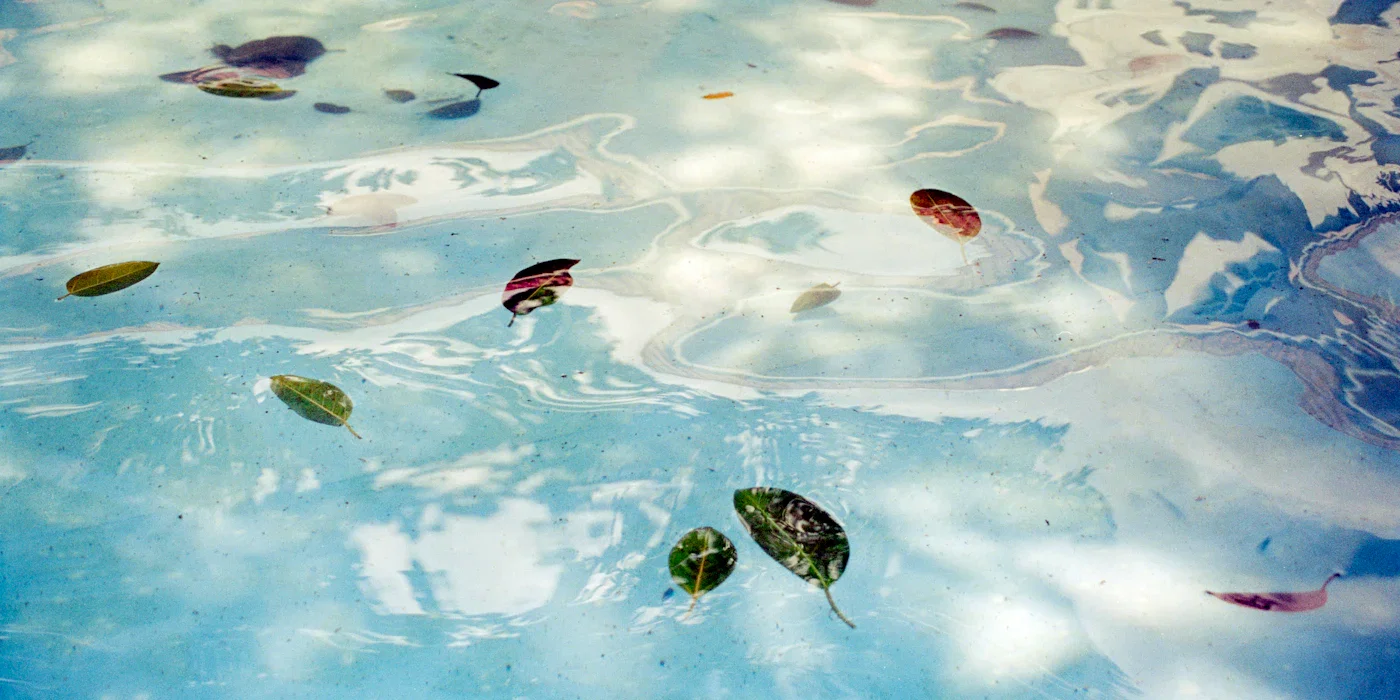
Leaves, grass clippings, pollen, insects, dirt, and other organic materials all create additional work for chlorine. A pool does not have to look dirty for these contaminants to affect sanitizer demand, especially during periods of heavy pollen, landscaping work, storms, or windy weather.
Remove visible debris with a net or vacuum instead of relying entirely on chlorine to break it down. Keeping skimmer baskets clean, brushing surfaces, and maintaining regular filtration can reduce the amount of material chlorine has to oxidize, leaving more sanitizer available to protect the water.
3) Heavy Swimming Is Using Up Your Chlorine
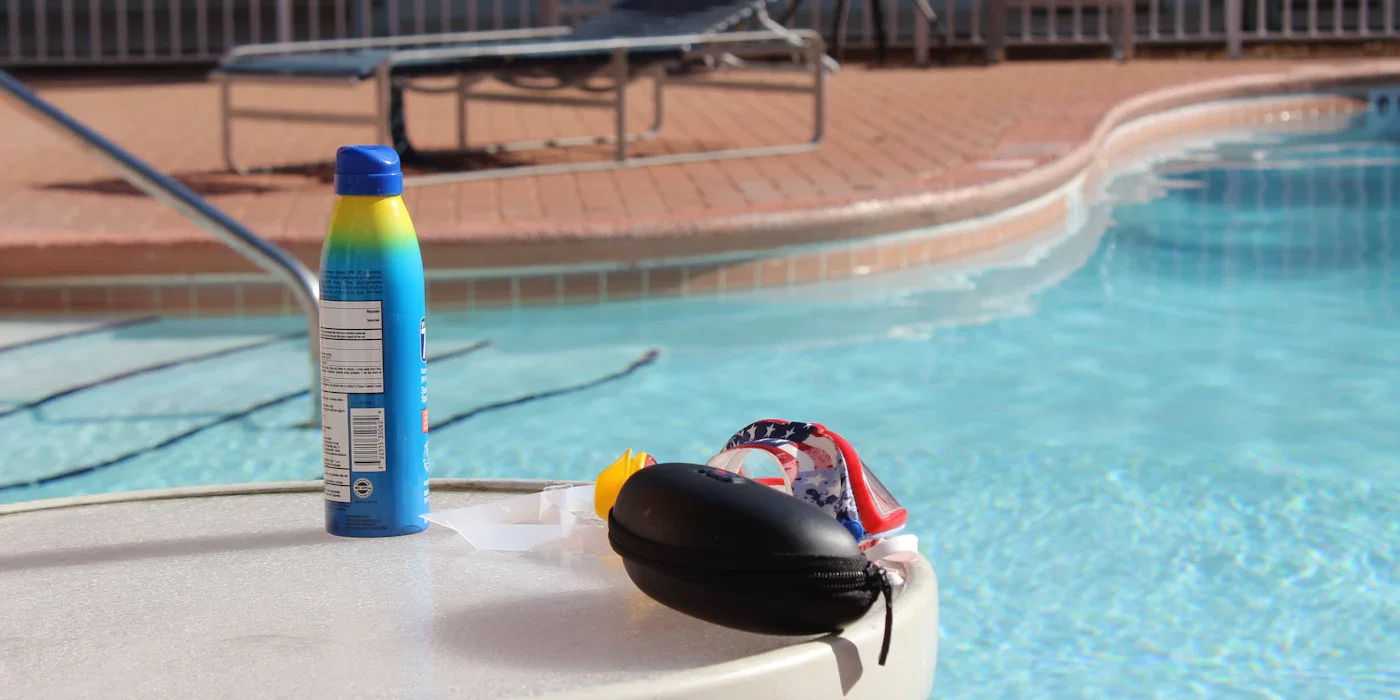
A busy swimming day can change pool chemistry surprisingly quickly. Sweat, body oils, sunscreen, cosmetics, hair products, and other substances enter the water whenever people swim, increasing the amount of material that chlorine must handle.
This effect becomes especially noticeable after parties or weekends when the pool sees substantially more use than normal. Testing the water after periods of heavy swimming allows you to restore chlorine before the level remains too low for an extended period.
4) Your Cyanuric Acid Level Is Too Low
Outdoor pools face a major chlorine enemy every sunny day: ultraviolet radiation. Sunlight can break down unstabilized chlorine quickly, which means a pool receiving several hours of direct sun may struggle to maintain chlorine even when the water otherwise appears perfectly clean.
Cyanuric acid, often called chlorine stabilizer or conditioner, helps protect chlorine from rapid destruction by sunlight. If the cyanuric acid level is too low, much of the chlorine you add may disappear before it has had enough time to sanitize the water effectively.
Testing cyanuric acid is therefore an important part of diagnosing unexplained chlorine loss in an outdoor pool. Adding the appropriate amount of stabilizer can significantly improve chlorine retention, although more is not always better.
5) Too Much Cyanuric Acid Can Also Cause Trouble
Cyanuric acid protects chlorine, but excessively high levels create a different problem. As cyanuric acid rises, a greater portion of the chlorine becomes bound to it, reducing the amount of chlorine that is immediately active against contaminants.
This situation sometimes develops in pools that rely heavily on stabilized chlorine products, such as certain tablets or granular chlorines, because these products can add cyanuric acid each time they are used. Over time, the stabilizer level may continue rising even though the pool owner is focused primarily on chlorine.
If cyanuric acid becomes excessively high, partial draining and replacement with fresh water is often needed to bring the level back into a practical range. Testing instead of guessing is important because both too little and too much stabilizer can create chlorine-management problems.
6) Your pH Is Out of Balance
Chlorine effectiveness is closely connected to water chemistry, particularly pH. When pH rises too high, a smaller percentage of the chlorine remains in its more effective sanitizing form, which can make the pool behave as though it does not have enough chlorine even when a test detects some sanitizer.
Maintaining pH within the recommended swimming-pool range helps chlorine perform properly while also improving swimmer comfort and protecting pool surfaces and equipment. If chlorine problems keep returning, checking pH alongside the chlorine reading can reveal an imbalance that would otherwise be easy to overlook.
7) Contaminants Are Creating High Chlorine Demand
Sometimes a pool contains a substantial amount of material that needs to be oxidized even though the contamination is not obvious. This can occur after heavy rain, runoff, extended periods without adequate sanitation, neglected maintenance, or other events that introduce contaminants into the water.
Fresh chlorine gets consumed as it reacts with that material, causing the free chlorine reading to fall rapidly. Restoring the pool may require a larger chlorine treatment than normal maintenance dosing, combined with adequate filtration and circulation, until the underlying chlorine demand has been satisfied.
8) Your Filter Is Not Keeping Up
Chlorine and filtration work together. Chlorine sanitizes and oxidizes contaminants, while the filtration system removes suspended particles and helps continuously circulate treated water throughout the pool.
A clogged, dirty, damaged, or undersized filter can allow contaminants to remain in circulation longer than they should, increasing the burden placed on chlorine. Check the filter pressure, follow the recommended cleaning or backwashing schedule, and inspect the system if filtration performance appears noticeably weaker than usual.
9) Poor Circulation Is Creating Problem Areas
Even perfectly balanced water cannot perform well if it is not circulating throughout the entire pool. Dead spots can develop behind steps, near ladders, in corners, or in other areas where water movement is limited, allowing algae and contaminants to gain a foothold.
Check return jets, pump operation, skimmers, and circulation patterns if chlorine readings seem inconsistent or certain areas of the pool repeatedly develop problems. Brushing areas with limited water movement can also help expose algae and debris to properly chlorinated water.
10) Rain and Storms Have Changed Your Water Chemistry
A major storm can create several chlorine problems at once. Rainwater can dilute pool chemicals, while wind can carry leaves, dust, pollen, and other contaminants into the water, increasing chlorine demand at the same time.
Pools that receive runoff face an even greater challenge because soil, fertilizer, organic matter, and other materials may enter the water. Testing the pool after significant storms is usually more effective than assuming the previous chemical balance remains unchanged.
Correct the chemistry based on actual test results, remove debris, and allow the circulation system to operate long enough to distribute treatment throughout the pool. Chlorine levels often stabilize once the storm-related contamination has been removed or oxidized.
11) The Water Temperature Has Increased
Warm weather makes swimming more enjoyable, but higher water temperatures can also increase chlorine consumption. Biological activity accelerates in warmer conditions, and chlorine generally disappears faster when the pool is warm, sunny, and being used frequently.
A chlorine routine that worked perfectly during cooler months may therefore become inadequate in the middle of summer. More frequent testing can help you adjust chlorine additions before the sanitizer level falls below the desired range.
12) Your Chlorine Testing or Dosing May Be Inaccurate
Sometimes the mystery is not in the pool itself. Inaccurate test strips, old reagents, improper testing technique, or incorrect pool-volume estimates can lead you to believe that chlorine is disappearing unusually fast when the real problem is measurement or dosing.
Pool volume matters because chemical recommendations depend on how much water is actually being treated. A substantial error in the estimated number of gallons can result in repeatedly adding less chlorine than the pool requires.
Testing equipment should also be stored properly and replaced when necessary. When readings seem inconsistent with what you are seeing in the pool, comparing results with a reliable testing method can help determine whether the chemistry or the test itself is causing the confusion.

Why Does Chlorine Keep Dropping Overnight?
A noticeable chlorine drop overnight can provide an important clue because sunlight is no longer part of the equation. If chlorine falls substantially between evening and early morning, something inside the water is probably consuming it.
Algae and other contaminants are common possibilities, particularly when the pool has recently become cloudy, slippery, or difficult to maintain. Because several water-quality problems can produce similar symptoms, a complete test provides much more useful information than repeatedly increasing chlorine without checking the rest of the chemistry.
Why Does My Pool Look Clear If It Has a Chlorine Problem?
Clear water can be misleading. A pool may look attractive while still having inadequate sanitation or the early stages of an algae problem, particularly before algae has multiplied enough to noticeably discolor the water.
Appearance should therefore complement testing rather than replace it. Regularly checking free chlorine, pH, cyanuric acid, and other important chemistry values can reveal developing problems before the pool becomes cloudy or green.
Stop Chasing Chlorine and Find the Cause
If you are tired of constantly adjusting chemicals or cannot figure out why your chlorine level keeps disappearing, PoolReady can help diagnose the underlying problem and get your water back under control. Professional pool service takes the guesswork out of water chemistry, allowing you to spend less time fighting your pool and more time enjoying it.